
Not all skincare ingredients are created equal
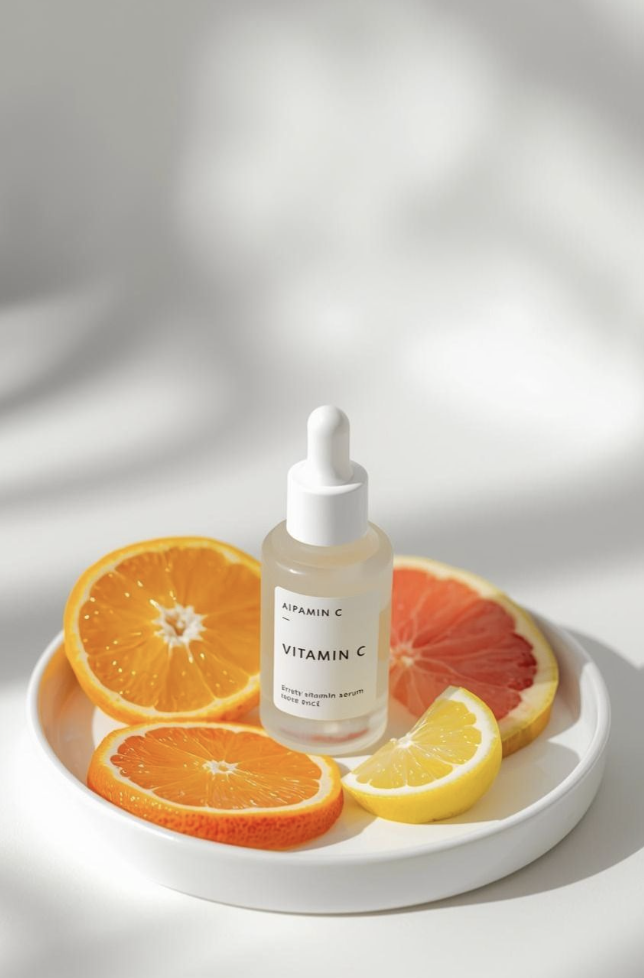
Vitamin C is amazing for brightening the skin, supporting collagen, and protecting against environmental stress. But the form of vitamin C you use matters so much more than the percentage on the bottle. The two most common forms are L ascorbic acid and THD ascorbate, and they behave very differently on the skin.
L ascorbic acid
This is the classic vitamin C everyone talks about. It is heavily researched, but it is also extremely unstable... It breaks down quickly when exposed to air, light, or heat. It only works at a low pH of around 3-3.5, which can sting or irritate sensitive or acne prone skin (our skins natural ph is around 5.5). Even if it is formulated well you will still have to use it religiously and store it correctly. It’s never my first choice.
THD ascorbate
THD is the version I tend to love for most people. It is much more stable and gentle. Because it is lipid soluble, it moves through the skin barrier more easily and penetrates deeper into the dermis. THD converts into active vitamin C once it is inside the skin (similar to the ester form of vitamin a) so you still get all the brightening and collagen benefits without the irritation that can happen with L ascorbic acid. It is a great option for sensitive, reactive, or acne prone skin.
My recommendation
If your skin is resilient and you love a stronger, faster brightening effect, L ascorbic acid can work well as long as it is in proper packaging(likely it will not be). If you are sensitive, breaking out, dealing with barrier damage, or simply want something gentler, THD ascorbate is usually the better choice. Both forms work. The key is choosing the one that your skin can actually tolerate and benefit from.
Sources
1. Telang PS. Vitamin C in dermatology. Indian Dermatology Online Journal.
2. Pinnell SR. Regulation of collagen biosynthesis by ascorbic acid. Journal of the American Academy of Dermatology.
3. Farris PK. Topical vitamin C in aging. Dermatologic Surgery.
4. Burke KE. The role of lipid soluble vitamin C derivatives.
My skincare routine for flying on an airplane
Airplane cabins have extremely low humidity, sometimes as low as ten percent which is even drier than desert conditions. This causes rapid water loss from your skin so the goal while flying is to protect your barrier.
Airplane cabins have humidity levels around 10–20%, which is drier than most deserts. Your skin loses water rapidly at that altitude, so the goal is barrier support, not 10 steps.
Before flying:
• cleanse
• Apply a L16 vitamin C antioxidant serum (cabin air is high in oxidative stress)
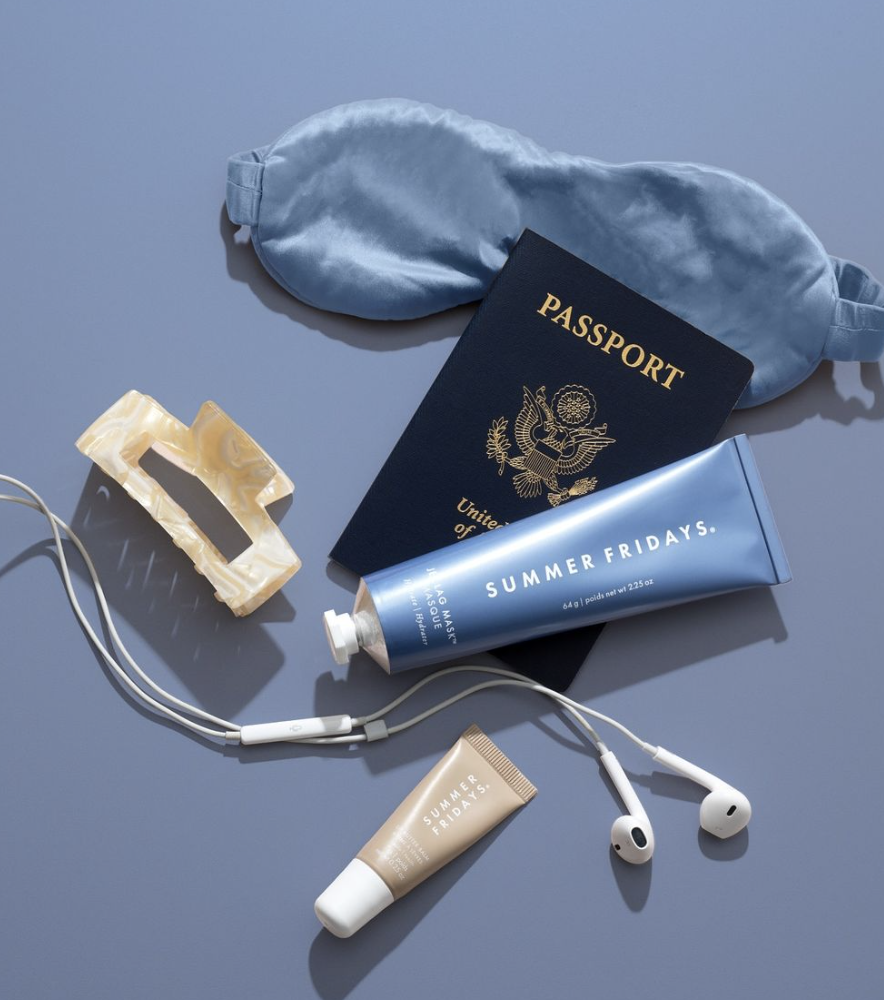
• Seal it with an occlusive moisturizer or balm to prevent transepidermal water loss (summer fridays jet lag mask)
On the plane:
• Hydrosol mist every 2–3 hours
• Reapply moisturizer
• No sheet masks (they evaporate too fast in dry air and pull moisture OUT of your skin)
• Drink water, avoid alcohol!!!!
You land looking alive, not deflated.

Stop Scrubbing Your Face
One of the most common causes of irritation and breakouts is over-exfoliating. Your skin’s protective layer, the stratum corneum, is incredibly thin. It is only about 50 microns thick, which is half the thickness of a sheet of paper. When you scrub aggressively, you are literally damaging the one barrier that keeps moisture in and irritants out.
Once this barrier is weakened, your skin becomes red, tight, inflamed, and more acne prone. Over-scrubbing also causes micro-tears, disrupts your microbiome, and increases water loss. This is why your skin can feel dry and oily at the same time.
Healthy skin does not need harsh scrubs. It needs support. Choose gentle enzyme exfoliants or mild chemical exfoliants and protect your barrier. Your glow comes from balanced skin, not from scrubbing it raw.
Sources
1. Elias PM. The skin barrier as an innate immune element. Journal of Dermatology.
2. Rawlings A, Harding CR. Barrier function of the stratum corneum. Dermatologic Therapy.
3. Pappas A. Stratum corneum structure and thickness. Dermato-Endocrinology.
Is facial acupuncture the new Botox?
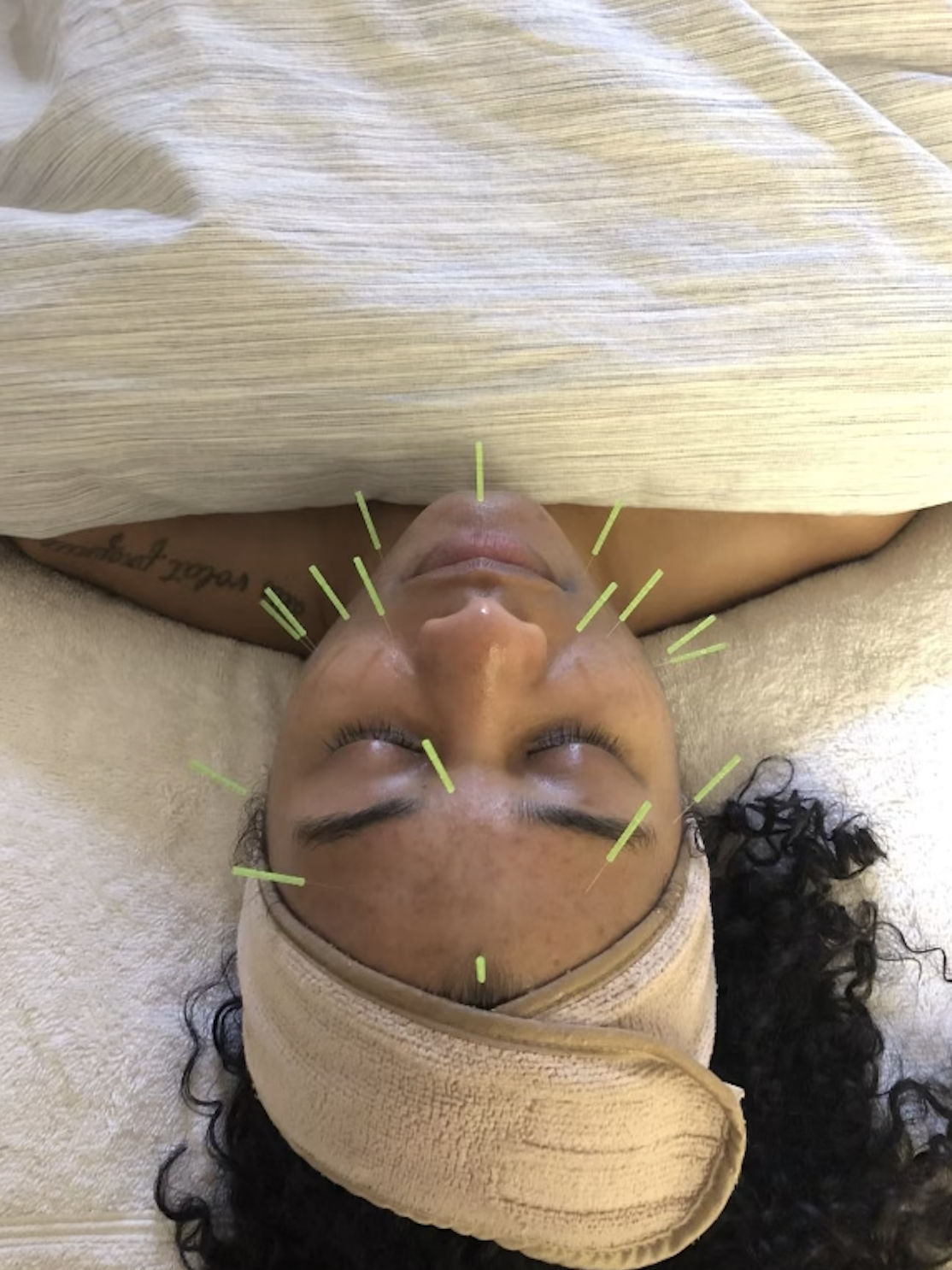
Facial acupuncture is becoming known as the natural version of Botox, and it makes sense why. When tiny needles are placed in specific points on the face, they create controlled micro-trauma that activates your fibroblasts. Fibroblasts are the cells responsible for producing collagen and elastin.
This process increases blood flow, oxygen, and nutrient delivery to the skin. Instead of freezing expression, facial acupuncture helps release tension in overworked areas while reactivating muscles that have become weak from stress patterns.
The result is a naturally lifted and refreshed look that supports the skin from within. It works in alignment with your body which is why I love it as a holistic alternative.
Stop Skipping SPF
If I could give you one piece of skincare advice for life it’s to never skip SPF. I know you probably have heard that 100 times but let me explain why…UV radiation accounts for up to 90% of visible aging, including collagen breakdown, fine lines, and pigmentation. UVA rays (the “aging” rays) penetrate windows and clouds, while UVB rays (the “burning” rays) are strongest outdoors. Both trigger oxidative stress, leading to premature aging and DNA damage.
Mineral sunscreens — made with zinc oxide or titanium dioxide. It sits on top of the skin and reflects light like tiny mirrors. Chemical sunscreens absorb UV and convert it to heat. Both work, but mineral SPF is ideal for sensitive or post-treatment skin since it’s less likely to cause irritation. I recommend mineral sunscreens to almost all of my clients. It’s the safest option especially for clients struggling with melasma.
Remember: SPF isn’t permanent. It breaks down after about 2 hours, faster with sweat or water. Reapply consistently. It’s your best anti-aging product, your barrier’s first line of defense, and your skin’s daily insurance policy!!!
Barrier Repair: The Glow Nobody Talks About
Everyone chases actives, but your barrier is what really makes you glow.
Your skin barrier is the thin protective layer that keeps moisture in and irritants out. When it’s damaged, your skin can’t hold hydration or heal properly.
Signs it’s compromised? Redness, sensitivity, flakiness, and breakouts that don’t seem to go away.
If that’s you, pause the actives… no retinol, no acids. Focus on rebuilding. Use ceramides, niacinamide, and gentle hydration morning and night.
Healthy skin isn’t about how much you use. It’s about how well your skin functions.
Repair your barrier, and everything else starts working again.

how many times should you wash your face?
a cleanse so nice you should do it twice
Why is it important to double cleanse?
Knowing what I know now as a master esthetician I can't believe I used to wash my face only one time! It's really important to use a micellar water or a gentle milky cleanser to remove makeup & debris from the day. This helps to ensure that your next step of cleansing the skin ACTUALLY works. I like to use a gentle gel/foaming cleanser for my acne-prone skin as my second cleanse. If you don't have acne-prone oily skin it’s better for you to use a milky cleanser twice for best results.

cold water vs hot
when washing your face always opt for cool water!
Wash your face with cold water over hot!
Washing your face with cold water is preferred to give your skin the best appearance. Using cold water on the skin will cause the skin to vasoconstrict. When we use steam, we are driving the pores to vasodilate. It will leave the skin red and the pores will seem more prominent as they are dilated. It is best only when a professional is performing extractions.
Always always always opt for cold water when you can!

the key to a glowy makeup look
the primer sets the tone for the makeup so lets make it glowy!
HOW TO GLOW 101:
When it comes to having that glowy, flawless makeup, skincare prep is always vital. Be sure to do your entire skincare routine first. Next, apply SPF and milk hydro grip primer. This is the best primer I’ve used. It erases pores and texture while keeping the skin sticky and hydrated, which is exactly what you want for your foundation to last! After you’ve finished your entire routine, spray the milk hydro grip setting spray. This will give that extra dewy fresh look!!
Milk Hydro Grip Primer: https://www.sephora.com/product/hydro-grip-primer-P441813?skuId=2169423&icid2=products%20grid:p441813:product
Milk Hydro Grip Setting Spray: https://www.sephora.com/product/milk-makeup-hydro-grip-set-refresh-spray-P463071?skuId=2306199&icid2=products%20grid:p463071:product

self-tanner vs the tanning bed
tanning beds and sunburns are not good for the skin but how do you still glow without the damage? i’ve got you covered on my favorite self-tanner drops to have you glowing for summer!
Ditch the tanning bed and try my favorite sunscreens and self-tanner!
Understanding how harmful the sun rays can be to your skin and how hard it is to heal sun damage should be enough to switch to self-tanner only. My favorite tanning drops are by lux unfiltered. I apply a few drops in my cream morning and night and I’m left with the most natural bronze glow. If I'm looking for more tan, I add more drops. I love this brand because it is the only self-tanning product I have used that has yet to break me out!
Always apply sunscreen even in the winter or on cloudy days. You can stay glow while protecting your skin with a self-tanner and a layer of sunscreen.
I linked a video where I talked more about the danger of tanning beds and how I achieve my sunless glow!

What is Vitamin A?
What is Vitamin A and how does it help your skin?
What is vitamin A?
Vitamin A is often thrown around and misinterpreted in the skincare world. Vitamin A has a ton of myths and misconceptions attached to it. Let's dive into the truth about Vitamin A and how to use it properly.
Often the biggest mistake I see with Vitamin A users is that they begin by using a high dose too fast. This leads to inflamed skin. (retinoid reaction). I tend to shy people away from prescription retinoids because of this and because of the type of retinoid commonly prescribed. The trick to retinoid use is to start low and go extremely slow. Most people tend to get ahead of themselves when it comes to incorporating new skincare products into their daily routine.
A South African skincare line known as Environ has a Vitamin A step-up system I encourage every one of my clients to be on. This 4 step system allows the skin to adjust slowly to this ester (oil) molecule of vitamin A. C vitamins A and C&E are essential to healthy skin cells.

the PROPER skincare steps
The right way to do your skincare routine.
You may be wondering what to do with all of the products sitting on your bathroom counter and how to achieve glass skin with all of the money you've spent.
First things first, a good makeup remover. Removing your makeup or debris from the day is a crucial step before cleansing the skin. This helps to properly clean the skin. It's just like sweeping before you mop your floors. Micellar water will do the trick!
Cleansing the skin with a milky cleanser and cold water is critical to protecting the barrier while also managing to remove the germs from the day.
An exfoliating toner is the best way to gently exfoliate daily. Harsh scrubs will create micro-tears in the skin. A big no-no! (lotionp50 is my favorite exfoliating toner)
Masking is a great way to boost the skin in between your appointments with your esthetician. This step is usually done after you exfoliate the skin.
Serums are used to treat the skin. Anytime you hear the word serum, think treat. Every person needs a hydration serum no matter where they live. We are all slightly dehydrated.
Creams are used to often nourish and protect the skin. Typically the last step in a routine as its molecular structure is the largest leaving it so no product can penetrate after this last step is applied. Depending on the time of day sunscreen may be your last step to protect the skin. Be sure to use sunscreen that has UVA/UVB and blue light protection.
xx,
Faithlynn

the layers of the skin
what is in our skin?
While using great skincare is amazing, education is just as important.
There are 3 main layers of the skin: the first layer is the epidermis, the second layer is the dermis and the third layer is the subcutaneous layer.
Epidermis: the thinnest layer of skin. It helps hydrate your body, produces new skin cells, protects your body from damage, and makes melanin, which provides skin color.
Dermis: the dermis supports the epidermis. The dermis has nerve endings, sweat glands, sebaceous glands, hair follicles, and blood vessels. This layer is like the kitchen in a fancy restaurant. It helps the first layer thrive!
Subcutaneous layer/hypo-dermis: This fatty layer provides insulation for your body, keeping you warm.
The more you know about your skin, the easier it is to achieve your skincare goals!
xx,
Faithlynn

how to achieve a healthy skin barrier
healthy skin barrier = glowy skin
A healthy barrier=glowing healthy skin
What is a barrier?
The skin has a protective layer called the barrier or the lipidic film, this protects the skin from harmful outside factors
Why do we have broken barriers?
Often we have broken barriers due to using products that have harsh ingredients or sometimes this is due to weather changes. A broken-down barrier followed by T.E.W.L (transepidermal water loss)is most common in the colder months.
How to have a healthy barrier?
Use a gentle milky cleanser daily
Luke warm or cold water to rinse the skin
Protecting the skin in extreme weather change
Always making sure the skin has a good oil-to-water ratio
xx,
Faithlynn